
25 Most Beautiful Horses in the World
Intro
What makes a horse not just beautiful but legendary? Is it its storied past, striking appearance, or perhaps a blend of qualities that capture the imagination?
Welcome back to Stellar Eureka. Today, we embark on a journey through the 25 most beautiful and unique horse breeds—each one showcasing remarkable traits that have fascinated and inspired humanity for generations.
We begin with a breed whose history is as ancient as it is enchanting.
1.The Arabian Horse
The use of horses goes back thousands of years. But have you ever wondered which horse breed has the longest history?
Meet the Arabian horse, one of the oldest and purest breeds known to humanity, with an ancestry tracing back approximately 4,500 years. With such history, this beautiful horse deserved the first spot.
This ancient breed has left an indelible mark on the equine world, contributing to the development of modern breeds such as the Thoroughbred, Quarter Horse, and Appaloosa.
With a sleek, arched neck and a tail that stands proudly, the Arabian horse embodies elegance and power in a compact frame. Standing between 56.4 and 60.4 inches or 14.1 to 15.1 hands tall—with a ‘hand’ being an equestrian unit equal to 4 inches.
It may be smaller than other breeds, but its muscular strength and unique skeletal structure lend it unparalleled agility and graceful movement.
Cherished by the Bedouin nomads as a divine gift, the Arabian was more than a partner; it was a symbol of wealth and loyalty, often sharing the very tents of its owners.
Stories tell of these horses responding to their owners’ emotions, highlighting their profound connection and remarkable intelligence.
Their remarkable stamina allowed them to traverse vast, harsh deserts, a trait that still makes them champions in endurance racing today.
Combined with a calm, gentle demeanor and keen intelligence, the Arabian remains a versatile and trusted partner, excelling in numerous equestrian disciplines.
Today, Arabian horses excel in many modern disciplines, especially endurance riding. Their athletic bodies and loyalty make them a versatile horse breed, and their unique beauty is noteworthy
The Arabian horse is more than just a breed—it’s a living symbol of a tribe’s history, loyalty, and endurance. With such a rich heritage, can you imagine trusting an Arabian horse to carry you across vast deserts?
:strip_icc()/meet-the-arabian-horse-1886131-02-64d4f27ce4a0494ead528696c457083f.jpg)
2.The Thoroughbred Horse
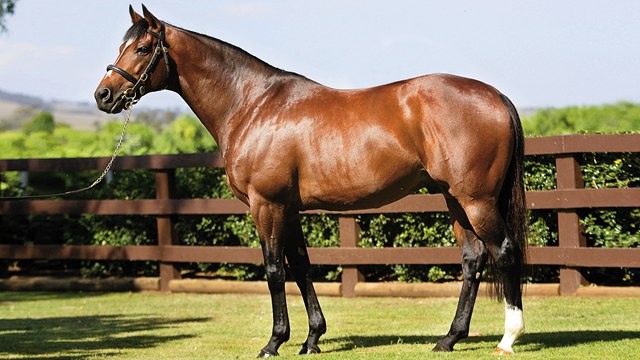
In a world where horses are judged by their speed, the thoroughbred stands out as one of the fastest horse breeds ever developed.
Believed to have originated in England during the 17th century, the Thoroughbred combines the speed and endurance of Arabian, Barb, and Turkmen horses, resulting in an equine athlete that boasts both speed and stamina.
Standing tall at 60 to 68 inches (15 to 17 hands), the Thoroughbred is built for performance. With long legs, a deep chest, and powerful hindquarters, this horse can sustain high speeds of up to 40 miles per hour over long distances. Its competitive spirit is legendary.
Thoroughbreds love to race and thrive on the excitement of the track. This natural drive, coupled with physical prowess, has made them the cornerstone of horse racing worldwide.
While Thoroughbreds are known for their athleticism, they require experienced handling due to their sensitive nature.
Training them takes patience and skill, but the rewards are immense. Their influence extends beyond the racetrack, contributing to the development of sport horses such as Warmbloods and Quarter Horses.
With their agility, intelligence, and willingness to perform, Thoroughbreds excel in disciplines like show jumping and dressage.
3.The American Quarter Horse
While the thoroughbred is known for their long distance speed, the American quarter is known for its explosive speed and agility.
This breed is the best in short sprints and is the fastest horse over a quarter mile. Developed in the 18th century through a mix of the Thoroughbred and Native American breeds, this horse was breed specifically for strength and speed.
In fact, an American Quarter Horse can reach speeds of up to 55 miles per hour in a sprint, making it the fastest horse on short races.
Standing between 56 and 64 inches, the Quarter Horse may be shorter than other racing breeds, but its muscular build and powerful hindquarters deliver unmatched bursts of speed.
This compact physique also enhances agility, making the Quarter Horse a master of sports that require sharp maneuvers.
The American Quarter Horse played a vital role in the expansion of the American West, often associated with cattle drives and cowboy history.
With a unique blend of speed, stamina, and a calm, trainable temperament, it became the ideal companion for navigating challenging terrains and herding livestock.
Today, this versatile breed continues to be popular with both novice and experienced riders, thanks to its dependable nature and athleticism.
Whether in professional rodeos, equestrian competitions, or casual riding, the Quarter Horse shines.
Breeding American Quarter Horses for their speed and agility has become more popular, with more focus on traits that enhance their sprinting abilities. Quality breeding lines can significantly increase a horse’s value, with top-performing horses often worth several thousands of dollars.
The American Quarter Horse—power, speed, and reliability wrapped into one exceptional breed. Would you choose this icon of American heritage to lead your next adventure?
4.The Akhal-Teke Horse
Horses are widely known for being beautiful, but when it comes to the luster of their coats, The Akhal-Teke takes the crown. Originating from the Turkmenistan region of Central Asia, this horse is one of the world’s oldest breeds, with a lineage stretching back over 3,000 years.
The Akhal-Teke is believed to have been developed by the Teke tribe, this breed is valued even by the Central Asian royalty, who saw the Akhal-Teke as a symbol of grace and splendor.
With its slender, well-built frame resembling that of a deer, its long, graceful legs, and an elegant tail, the Akhal-Teke stands between 14.2 and 16 hands tall (58 to 66 inches). However, what makes the Akhal-Teke really remarkable is its coat.
The coat appears to reflect light, giving it a silver or golden glow depending on the horse’s color. This unique feature is said to be an adaptive trait, helping the horse endure the harsh desert sun by regulating its body temperature.
Beyond its stunning appearance, the Akhal-Teke is also built for endurance. With its lean body and enduring ability, this breed can withstand long journeys and harsh conditions with little food and water. Historically, these horses were used by warriors and travelers who were crossing the long deserts. Today, their stamina and athleticism make them shine in endurance racing and show jumping.
Known for their intelligence and sensitivity, Akhal-Tekes form strong bonds with their owners and have cat-like personalities. This sensitivity requires patient and gentle training, making them ideal for experienced handlers.
In Turkmenistan, the Akhal-Teke holds cultural significance and appears in art and literature as a symbol of pride. The nation has taken great care to preserve the breed’s purity, reflecting the spirit and strength of those who first raised it.
With its radiant coat, graceful form, and noble lineage, the Akhal-Teke is often called a “heavenly horse” and is often regarded as one of the world’s most beautiful horse breeds and It’s easy to see why.
5.The Andalusian Horse
Shifting from the gleaming coat of the Akhal-Teke, we come to a breed with a proud legacy in conquests and courts.
For centuries, horses have stood as loyal companions to humanity, aiding in countless adventures. Among them, the Andalusian horse is a standout—a noble breed with deep roots in the Spanish Colonization of the Americas.
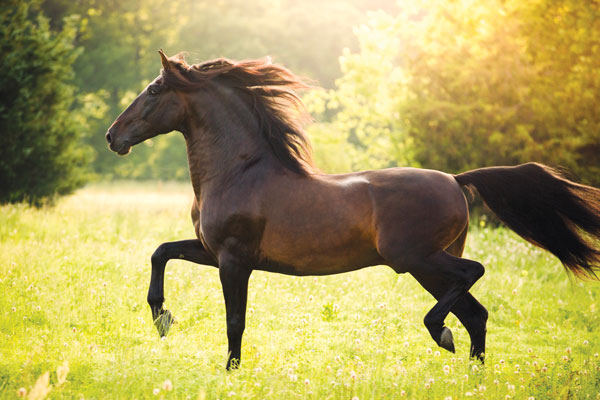
The Andalusian horse, originating from the ancient horses of the Iberian Peninsula, has always been known for its beautiful appearance and abilities. Standing at 60 to 64 inches tall, this breed stands out in appearance, known for its arched neck and a clear muscular frame, with a beautiful mane that adds grace to the horse especially when it moves.
Historically, the Andalusian was not just any horse—it was a warhorse used by Spanish warriors, it is even said that this horse breed was among the heroes that brought about the Spanish Conquest. Nobles and royals also preferred this breed due to its noble appearance. In fact, it is often seen in Spanish paintings and literature as the steed of the nobles.
In modern times, the Andalusian is known to perform well in certain equestrian activities especially in dressage, due to its ability to perform advanced movements.
Known for its intelligence and willingness to please, The Andalusian is also used in historical reenactments and parades, where it displays a proud carriage.
Beyond its physical attributes, the Andalusian also has a loyal character that makes it close to its riders, its power and its calm, willing nature makes it a cherished companion.
6.The Morgan Horse
We turn now to a beautiful horse breed that exemplifies American ingenuity.
In the year 1789 a man named Justin Morgan acquired a horse named Figure. Little did he know, this stallion would become the foundation for the first documented American breed—the Morgan horse.
Figure, the founding stallion, was known for performing heavier and more duties than other horses that were larger than it. This versatility made the Morgan a reliable partner for early American settlers, who needed a horse capable of handling a lot of tasks.
Morgan horses have a muscular frame and a proud, upright neck. Their well-built physique gives them both power and elegance, while their expressive eyes makes them irresistible. They are also known for their balanced, compact bodies, with which they carry themselves with a proud stance.
Morgans are also very friendly and have a more willing disposition. They form strong bonds with their handlers.
With a gentle and willing nature they have become a popular choice for families and riders. This trait, combined with their reliability, has made the Morgan popular as a beloved breed across the United States.
Today, the Morgan horse represents a piece of American history, this breed’s adaptable and resilient nature shows the pioneering spirit of the early American settlers. A heritage still celebrated today in parades and historical events.
7.The Friesian Horse
In ancient Europe, Friesians carried knights in heavy armor thanks to their agility, power and stamina. These warhorses were essential on the battlefield and cherished for their reliable nature.
Beyond warfare, Friesians became the choice of royalty for ceremonial carriage work, thanks to their majestic appearance and calm demeanor.
Today, they are renowned for their performance in dressage, carriage driving, and show riding, showcasing their natural ability for complex movements. Friesians are even still considered as symbols of nobility in the Netherlands.
Friesians can be seen in films and even in reenactments, often seen as a medieval or fantasy warhorses due to their majestic appearance. Their versatile trait is what is behind their ability to adapt to these various roles.
These horses, having a height of between 15 and 17 hands (60 to 68 inches), have a unique jet-black coat, thick, flowing mane, feathered legs, and proud carriage.
Their high-stepping gait and muscular build give them a graceful, elegant movement that captivates spectators. Making it a beautiful horse breed to watch.
Friesan horses are also beloved for their kind-hearted and gentle nature. They are people-oriented, making them excellent companions for riders and a popular choice for therapeutic riding programs.
With their beauty and friendly temperament, Friesians remain symbols of nobility and grace.
8.The Clydesdale Horse
As we leave behind the medieval grandeur and elegance of the Friesian, we now move to a breed whose power and charm have made it an enduring symbol of strength.
The Clydesdale, believed to have originated in the 18th century from Scottish draft breeds, was bred in the River Clyde region of Scotland to meet the demands of heavy farm work. This powerful breed emerged from a mix of local Scottish horses and larger Flemish horses.
Clydesdales are instantly recognizable by their long, silky feathering around their lower legs and striking white markings on their faces and legs. Their large, muscular bodies, broad chests, and high-stepping gait add to their impressive and commanding presence. Often chestnut or bay in color, their distinctive white blaze sets them apart.
In an era when horsepower meant literal horse power, Clydesdales were indispensable for their strength and stamina.
Today, Clydesdales are seen as symbols of strength and gentle disposition. Their popularity surged with their association with the Budweiser team, which showcases their elegance in parades and public appearances.
Despite their formidable size, Clydesdales are known for their gentle and friendly nature. These “gentle giants” are calm and easy to handle, making them a popular choice for beginners and families interested in draft horses.
Their participation in parades, historical reenactments, and public events celebrates Scotland’s heritage and the early farmers who relied on them.
The sight of a Clydesdale, with its proud stance and feathered legs, is truly unforgettable.
9. Shetland Pony
We are now discovering a much smaller yet surprisingly resilient breed. Native to the Shetland Islands of Scotland, the Shetland Pony is too small to be considered a horse for some, but its ability and endurance is what leaves people bewildered.
Living in a harsh climate with sparse vegetation, these ponies developed traits that make them both tough and resourceful.
Despite their modest height of up to 44 inches, Shetland ponies are known for their strength, often said to rival that of much larger horses when considering their size-to-strength ratio.
Their sturdy build, thick coats, and short legs equip them perfectly for survival in harsh environments. Historically, Shetlands were essential in agriculture and mining, pulling carts and performing heavy tasks on small farms.
In the 19th century, many were brought to mainland Britain to work in coal mines, their small size making them ideal for navigating narrow shafts.
Known for their gentle and friendly nature, Shetland ponies are favorites among children. Their patient nature and manageable size make them ideal for riding programs that help build confidence in young riders.
However, these ponies are also known for their playful and sometimes mischievous behavior, showcasing their intelligence and curiosity.
Shetland ponies’ gentle disposition and small size make them popular in pet therapy where their calm presence and affectionate nature provide comfort and companionship to those in need.
10. The Percheron Horse
From the compact strength of the Shetland Pony, we move to a draft breed renowned for its size and versatility.
The Percheron traces its lineage to French draft horses, renowned for their muscular build and calm, patient temperament. Originating in the Perche region of France, this breed was developed specifically for demanding heavy-duty work.
Percherons were important in agriculture and transportation, where their endurance and strength made them one of the best. They were used to pull plows, carts, and wagons.
Their role expanded beyond France and into the United States in the 19th and early 20th centuries, where they were vital for plowing fields and hauling heavy loads.
With heights reaching up to 76 inches, Percherons are among the largest draft horses, yet they maintain impressive agility for their size.
Their gentle nature makes them a favorite among farmers and families, as they bond well with handlers and are easy to train. This combination of size, strength, and temperament makes them an excellent choice for beginners.
Today, Percherons are celebrated not only for work but also in modern equestrian pursuits like draft horse shows, carriage driving, and trail riding.
Their calm disposition and impressive build make them perfect for competitive events that require precision and steady handling.
11. The Belgian Draft Horse
When you think of a workhorse, you would probably picture a horse pulling a carriage or carrying a heavy load, but the Belgian draft horse is far from your average work horse.
This beautiful horse breed is known for playing a crucial role in the agricultural and industrial advancements of its time.
Standing between 64 and 72 inches tall, Belgian Drafts are renowned for their muscular build and endurance.
Bred specifically for strength, their broad shoulders, powerful legs, and dense bone structure make them ideal for heavy labor, including plowing fields and clearing land.
Historically, Belgian Drafts were vital in agriculture, performing tasks that were once managed by oxen or smaller horses. Their resilience in harsh conditions earned them a reputation as dependable partners for farmers throughout Belgium
Though their primary role once focused on agricultural work, Belgian Drafts now excel in modern equestrian activities, such as draft horse shows and pulling competitions.
Their strength and endurance have cemented their legacy as one of the most reliable and powerful horse breeds in history.
With their impressive physique and work ethic, Belgian Draft Horses remain icons of hard work and dedication.
12.The Lipizzaner Horse
The elegance and grace of horses might be a common trait, but some take this natural quality to extraordinary heights.
The Lipizzaner horse, known for its striking white coat and small, muscular frame, is ideally suited for classical dressage and is best known for its role in the Spanish Riding School in Vienna.
Standing between 60 and 64 inches, these beautiful horses are renowned for their ability to perform difficult dressage movements. Lipizzaners are trained to perform challenging airs above the ground—such as the capriole (a leap with a kick), the levade (a balanced rearing stance), and the piaffe (trotting in place).
These performances showcase the horse’s grace, intelligence, and precision, hallmarks of Lipizzaner training and central to the Spanish Riding School’s displays.
The breed’s association with royalty dates back to the 16th century when it was developed to serve the Habsburg court. The Lipizzaner was not just a display of beauty but a reflection of the monarchy’s sophistication and power.
The intelligence and disciplined training of the Lipizzaner make it an exceptional performer, prized not just for its shows but also for breeding programs that seek to pass on its noble lineage and refined traits.
The Lipizzaner remains a symbol of equestrian excellence, embodying elegance and grace.
13. The Hanoverian Horse
In general, horses are known for their athletic nature and versatility, however when it comes to equestrian sports, there is one horse that stands head tall above every other, the Hanoverian horse.
This unique horse breed is practically built for Olympic-level competitions and record-breaking achievements.
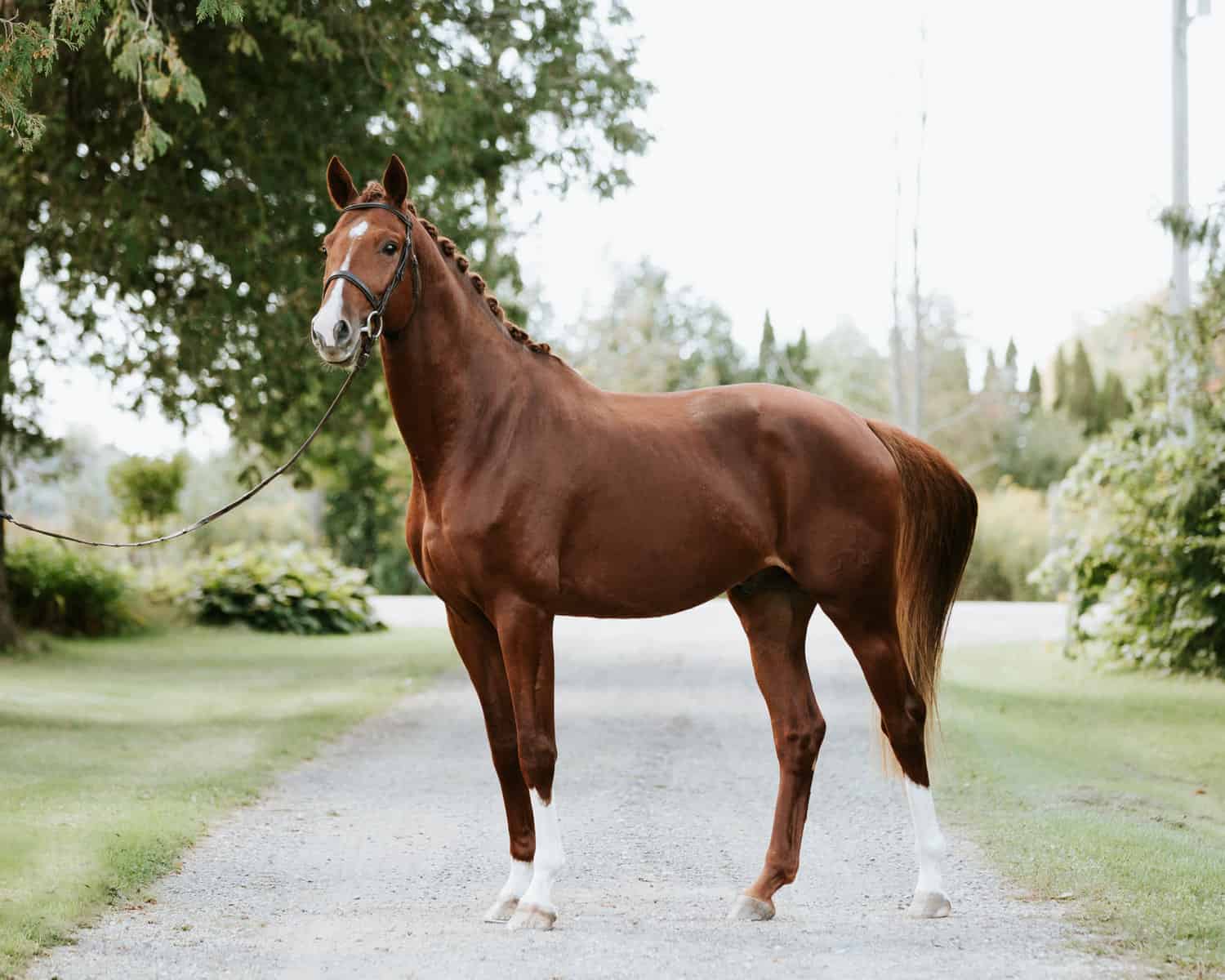
The Hanoverian possesses a balanced, powerful build and a smooth, fluid gait. Originally developed in the Hanover region of Germany during the 18th century, the breed was initially used for work before evolving into an equestrian athlete renowned for dressage and show jumping.
The Hanoverian has consistently produced champions in various sports, demonstrating strength, agility, and grace. Its elegant movements make it ideal for dressage, where precision is key, while its power allows it to excel in show jumping competitions, clearing fences with ease.
Many Hanoverians have represented their countries in the Olympic Games and have won medals in equestrian sports. Their consistency in producing good athletes makes it a extremely valuable horse breed.
One of the Hanoverian’s standout qualities is its calm, trainable nature. These horses are responsive to training, making them the preferred partners for professional riders aiming for competitive success.
14. The Appaloosa Horse
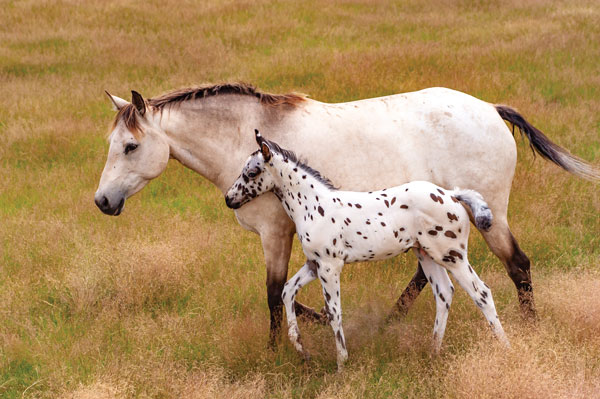
Have you ever seen a horse with a coat as unique as a canvas of art? The Appaloosa, a breed that arrived in America over 500 years ago, is renowned for its eye-catching spotted coat, with each pattern as unique as a fingerprint.
Originally developed by Native Americans in the Pacific Northwest, the Appaloosa is celebrated for its unique spotted coat. Each pattern is one of a kind, ensuring no two Appaloosas look exactly alike.
The Appaloosa has a deep connection to Native American history and culture. Bred by the Nez Perce Tribe of the Pacific Northwest, these horses were valued for their versatility, speed, and hardiness.
The Nez Perce used them in hunting, warfare, and for trade. The horses became a part of the tribe’s daily life, and their spotted coats were considered a symbol of wealth and pride.
Standing between 14 and 15 hands, the Appaloosa is compact yet powerful. Known for its resilience, this breed is good at a variety of Western disciplines such as trail riding, barrel racing, and rodeo events. The Appaloosa’s calm and gentle personality makes it a preferable family choice, while its intelligence and willingness to learn make it highly trainable.
The coat patterns of an Appaloosa is actually what makes it different from other breeds. Having a leopard spot pattern, and also a blanket pattern at its hindquarters (that’s the one side of the back half of the body). The Appaloosa’s eyes, often called “mottled eyes”, are another unique trait, they often appear speckled, with all these the Appaloosa’s appearance showcases an array of colors and markings.
The Appaloosa breed also represents the culture of the Native American people, with a deep connection to the land and the Native American way of life.
15. The Shire Horse
Imagine seeing the modern descendants of the horses that carried knights into battle during the Hundred Years’ War.
The Shire horse, descended from England’s Great Horses, was bred for its sheer size and strength, capable of carrying heavily armored knights into combat.
This beautiful horse stature made it the right breed for royal parades. With a height of 16.2 to 19 hands and a weight of up to 2,400 pounds, the Shire is an imposing figure.
But despite their size, they are still known to be graceful in movement. They also have a wide, expressive face and big eyes, which give them a gentle and approachable demeanor. Their feathered legs (long hair around the hooves) add to their appearance.
Historically, Shires were used for heavy agricultural tasks such as plowing fields and pulling carts. Their calm and steady nature made them invaluable partners for farmers and laborers, able to remain composed under pressure.
Today, Shires are still involved in agricultural work, especially in areas where traditional farming practices are maintained. Their legacy as noble draft horses endures, celebrated for their blend of strength and gentle temperament.
With their noble history and unmatched power, Shires continue to command admiration and respect.
16. Icelandic Horse
In the cold, rugged landscapes of Iceland exists a horse perfectly adapted to its environment. Meet the Icelandic horse, an ancient breed that has a history as tough and resilient as the island it calls home.
The Icelandic horse has been intertwined with Icelandic life and folklore for over 1,000 years, arriving with Viking settlers.
To survive the harsh climate and unforgiving terrain, these horses developed remarkable endurance and adaptability.
Icelandic law fiercely protects the breed’s purity, prohibiting the importation of foreign horses to ensure no outside influence disrupts their lineage.
With a height of 13 to 14 hands, the Icelandic horse is smaller than many other breeds, but it is still much stronger in endurance especially in surviving in cold climates.
One of the features of the Icelandic horse that makes it a truly unique breed is its unique gait, known as the tölt.
The tölt is a smooth, four-beat gait that allows the rider to glide with little bouncing, making even long distance ride comfortable. This gait is unique to the Icelandic horse making it a highly valued horse.
Intelligent and friendly, Icelandic horses are easy to train and form strong bonds with their riders. They are popular for trail riding, endurance events, and leisure activities. Riders from around the world flock to Iceland to experience this unique, smooth ride and the unmatched warmth of these horses.
17. The Marwari Horse
Have you ever seen a horse with ears that curve inward, almost touching at the tips? If not, let me introduce you the Marwari—a rare and graceful horse breed from India’s Marwar region, known for its elegance, loyalty, and a hint of mystery.
The Marwari is far from ordinary. Steeped in the history of Indian royalty and the warrior traditions of the Rajputs, this breed symbolized nobility and strength.
In some tales, the Marwari was revered even above kings. These horses were the loyal companions of Rajasthan’s fearless warriors, believed to share an unbreakable bond, like a lifelong trusted friend.
But the real standout feature? Their iconic inward-curving ears! Thought to help in the hot, dry desert climate, they have become an unmistakable symbol of the Marwari breed. Picture a horse whose ears curve inwards, nearly meeting at the tips, giving it a look of intense focus and a unique alert expression.
These horses are well-built and resilient, typically standing between 14 and 16 hands high. Adapted to survive the harsh Rajasthani desert, Marwaris are tough, agile and capable of long rides in extreme temperatures, making them perfect for the journeys and battles of old.
Today, the Marwari holds an esteemed place in Indian culture, often seen in ceremonies and traditional events adorned with vibrant cloths.
Known for their intelligence and loyalty, these horses excel in disciplines such as endurance riding and ceremonial roles.
The Marwari isn’t just a horse—it’s a living testament to India’s rich equestrian history.
18. The Mustang
We are changing continents, going back to the Americas, for our next beautiful horse in our list.
This one might even make you question everything you thought you knew about horses. The Mustang—a living symbol of the American frontier—is the embodiment of the rugged, untamed spirit of the American landscape. Capturing the raw beauty and wild freedom of the Old West.
What’s interesting from this breed is that Mustangs come from a lineage of Spanish horses brought over by early explorers in the 1500s.
Over centuries, some escaped or were released, adapted to the wilds of North America and became legends in their own right. These horses are the ultimate survivors, shaped by harsh terrains and fierce independence, symbolizing freedom and resilience.
Compact yet strong and standing around 15 hands high, Mustangs are built for survival in the wild. They thrive in some of the harshest environments, from the blistering desert to the chilly plains.
Their muscular bodies and strong legs make them perfect for the long and tough journeys across America’s vast, untamed wilderness.
Mustangs still roam in herds across the American West and this serves as a true testament to their wild heritage. Conservationists fight to protect this freedom, recognizing the Mustang as a vital link to America’s past.
Watching a Mustang herd run free is like witnessing the spirit of the American frontier come alive—a reminder of resilience, independence and the untamed beauty of the land.
Many Mustangs are gentle and trainable. Experienced riders often find them perfect for horse riding sports like trail riding and ranch work, though their wild nature means they like their space and a bit of respect. They’re independent, intelligent and capable—a breed suited to those who value freedom as much as they do.

19. Paso Fino Horse
Imagine a horse that feels like it’s gliding, each step as smooth as silk. +
The Paso Fino, known as the “dancing horse” of Latin America, has captivated riders since the 16th century when it was brought to Puerto Rico and Colombia by Spanish conquistadors.
The name “Paso Fino” translates to “fine step,” and this beautiful and unique horse breed lives up to it.
With each rhythmic stride, the Paso Fino delivers a ride so smooth that it feels almost like floating. Standing between 13 and 15 hands, the Paso Fino is compact and balanced, perfectly suited for its signature four-beat lateral gait that minimizes bounce and maximizes rider comfort.
In Latin American culture, the Paso Fino is a beloved treasure, often showcased in parades, festivals, and competitions. Their elegance is highlighted in these events, reflecting centuries of tradition and pride.
The Paso Fino’s smooth gait and gentle nature make it ideal for trail riding and long-distance journeys.
It also excels in gaited horse competitions, where its precise movements and natural grace stand out. Paso Finos are not just skilled athletes; they’re also friendly, intelligent, and willing companions, perfect for riders of all levels.
20. The Gypsy Vanner Horse
The Gypsy Vanner is a unique and beautiful horse breed known for its fairytale-like appearance.
Bred by the Romani community and often called the ‘people’s horse,’ the Gypsy Vanner embodies a rich tradition of strength and beauty.
Developed in Great Britain, these horses were bred specifically to pull the Romani’s colorful caravans, known as ‘vardos,’ which served as mobile homes and symbols of the Romani way of life.
Standing around 14 to 15 hands high, Gypsy Vanners are muscular and sturdy.
Their most distinctive feature is the ‘feathering’ — long, flowing hair on their lower legs — which, along with their thick mane and tail, giving them an unmistakable and magical appearance.
Known for their calm and steady nature, these horses were perfect for family life on the road—a tradition that still resonates in their gentle demeanor today.
Modern Gypsy Vanners are valued not only for their striking looks and draft work capabilities but also as companions and therapy animals.
Their friendly disposition and reliability make them popular in various horse-riding sports as well.
21. The Knabstrupper
Following the Gypsy Vanner’s enchanting appearance, the Knabstrupper, originating from Denmark in the early 19th century, is a breed that stands out due to its unique and eye-catching spotted coat.
Named after the Knabstrup manor, this breed quickly gained popularity for its beauty and trainable nature, becoming a favorite among Europeans, particularly Danish royalty.
Initially bred as a carriage horse, the Knabstrupper horse measures about 16 hands high.
Its intelligence and willingness to learn make it an ideal partner for various equestrian disciplines. The breed’s versatility and stamina are equally noteworthy, allowing it to excel in dressage, show jumping, and even circus performances.
The Knabstrupper’s distinctive coat pattern is not just for show—it has helped the breed carve out a unique identity in the horse world.
In recent years, conservation efforts have focused on preserving this rare breed and its characteristic spotted coat for future generations to be able to enjoy and admire this beautiful horse breed.

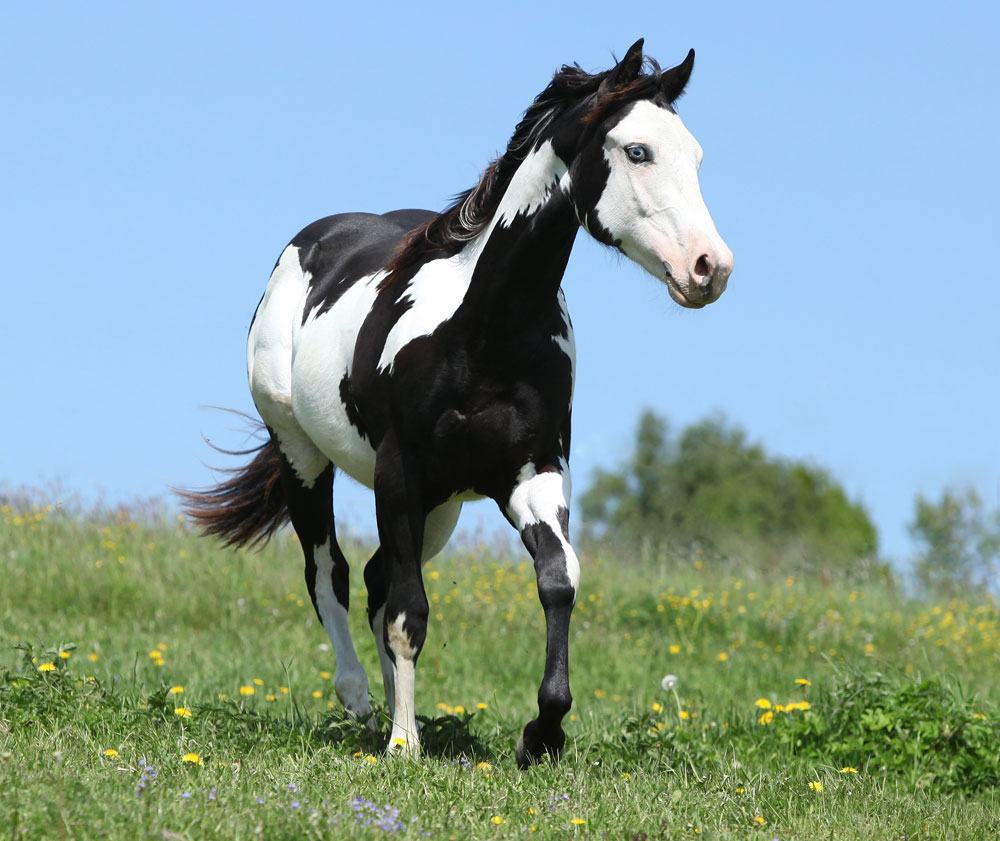
22. The American Paint Horse
Shifting from Europe to the vast landscapes of the United States, American Paint Horses are known for their vivid coat patterns and rich history, serving as a colorful emblem of the American West.
This breed emerged from the United States, combining Thoroughbred and Quarter Horse bloodlines with strong influences from Native American culture.
The American Paint Horse is known for its unique coat patterns, which include overo, tobiano, and tovero, creating striking patches of white and dark color.
The overo pattern often features uneven, jagged patches that do not cross the horse’s back, while the tobiano pattern is characterized by more uniform, rounded patches that typically extend over the back.
The tovero is a combination of both, adding an element of unpredictability to the horse’s striking appearance.
Standing between 14 and 16 hands high, the Paint Horse is built for strength and versatility, making it suitable for both work and sport.
Paint Horses excel in Western disciplines such as ranch work, rodeos, and barrel racing. Their friendly and adaptable nature makes them great companions for riders of all ages, fitting seamlessly into work settings and family life.
This breed embodies the perfect mix of beauty and strength, capturing the adventurous spirit of the American frontier.
23. The Standardbred
Transitioning from the American Paint Horse’s versatility, we find speed and endurance wrapped into one powerful package—the Standardbred, a breed designed for harness racing and breaking records.
Developed in the 19th century by crossing Thoroughbreds with Native American horses, the breed was specifically created to achieve “standard” race times, hence its name.
Measuring between 14 and 17 hands high, the Standardbred is muscular and compact, built for both speed and stamina.
In harness racing, a Standardbred can reach speeds of up to 30 mph, thanks to its powerful legs and efficient build. The breed’s stamina enables it to maintain these speeds over long distances, making it a formidable competitor.
Beyond the racetrack, Standardbreds are known for their calm, trainable nature, making them popular for pleasure driving and competitive driving sports. The thrill of watching a Standardbred in a harness race, gliding at top speed with unwavering focus, is a testament to human ambition and selective breeding.
24. The Criollo Horse
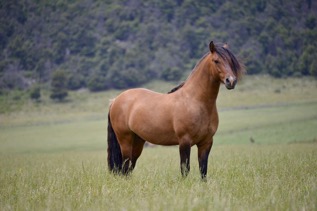
Imagine a horse tough enough to endure long cattle drives across rough terrain. The Criollo, native to South America and especially Argentina, is exactly that.
Bred from Spanish horses brought by colonizers in the 16th century, the Criollo adapted to the harsh climates and landscapes of the Argentine Pampas.
Trusted by gauchos—the cowboys of Argentina—the Criollo became an essential partner for navigating challenging terrain, often used for rounding up cattle and driving herds across vast, rugged landscapes.
Compact yet muscular, the Criollo horse is known for its endurance and hardiness, able to cover long distances without tiring. Its agility makes it perfect for both ranch work and endurance races.
The Criollo’s significant role in Argentina’s history is closely tied to the gaucho tradition. This breed’s resilience and versatility have made it an integral part of the country’s culture, symbolizing strength and loyalty.
25. Fjord Horse
From the Criollo’s rich history, we shift to the ancient legacy of the Fjord Horse, a breed rooted in the traditions of ancient Norway.
This is one of the world’s oldest breeds, with over a thousand years of tracked history.
The Fjord horse is widely known for its strength, distinct two-tone mane and a friendly temperament, this is a horse with character and history.
The Fjord Horse was originally bred by Viking warriors for farm work and battle, and it’s easy to see why. Compact and muscular, measuring around 14 hands, these horses are built to endure hard work and tough environments.
With a thick coat and sturdy build, Fjord Horses handle the cold, harsh northern climate with ease because of their thick coat that keeps them comfortable in the harshest of winters, making them excellent partners in tough conditions.
One glance at a Fjord, and you’ll spot its most distinctive feature—the two-tone mane and dark dorsal stripe. The unique mane often sports a blend of colors, giving it a striking look that stands out from other breeds.
Calm and steady, Fjord Horses are ideal for families and beginners. Their friendly and adaptable nature makes them perfect for a range of activities, from farm work to trail rides.
They are beloved for their gentle manner and are often a favorite among children and horse enthusiasts.
Have you had a chance to see a Fjord Horse up close? With its ancient history and unique look, the Fjord has a charm of its own.

Conclusion
As we’ve explored the world of the most beautiful and unique horses—from the Arabian’s endurance to the Shire’s power, from the Thoroughbred’s speed to the Gypsy Vanner’s enchanting appearance—each horse breed showcases a unique facet of the horse’s magnificence.
Which horse do you think stands out as the most beautiful one? Let us know in the comments section.
Thank you for joining us on this journey through the world of the most beautiful and unique horses.