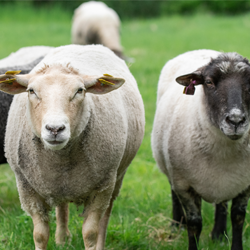
Wool Harvesting, Wool Production and Processing.
Welcome to Stellar Eureka, where we embark on a remarkable journey, tracing the intricate path of wool, from the backs of sheep to the creation of warm, luxurious fabrics. Join us as we uncover the secrets of how this extraordinary natural fiber is transformed. It’s the material that has clothed and warmed humanity for centuries.
Starting point: Sheep Shearing
Shearing is an age-old craft that’s equal parts art and science. It’s not just about removing wool from sheep; it’s about doing so efficiently and safely. Anyone can attempt to shear a sheep, but not everyone can do it well. This is a specialized skill honed through years of practice. It’s also a strenuous and demanding job that demands both physical strength and finesse.
Imagine a scene in the heart of a sprawling sheep farm. As the sheep’s wool grows thick and fluffy, it’s time to muster, or round up, the flock. These large, woolly herds are gently guided into a specialized area known as the sheep yard. Here in the vast landscapes of Australia, the sheep are corralled into the shearing shed.
At the shearing shed, which is like a bustling barbershop for sheep, things get lively. The space is filled with the melodious sounds of sheep awaiting their turn.
It’s a lively, synchronized dance as the shearers, armed with exceptional skills, gently guide the sheep onto the shearing boards. The shearer’s experience is evident as they efficiently position the sheep, leaning on back aids for support.
Shearing so many sheep is no small feat. The clippers buzz to life, deftly removing the thick layer of wool. Don’t worry, it might tickle a bit, but it doesn’t hurt the sheep. Once shorn, the sheep gracefully slide down a chute and amble out from under the shed.
After this adventure, it’s time for the sheep to head back to the paddock for lunch, munching on delicious green grass under the watchful eye of the farmer and their clever sheepdogs.

Grading and sorting
Now, let’s move to our next stop – the delicate and precise task of grading and sorting the wool. Quality is assessed based on critical factors, including fiber length, color, and fineness. The most exceptional wool, often sourced from the sheep’s shoulders, is selected to serve as the cornerstone for exquisite fabrics.
In the world of wool, quality is paramount. Wool has played a vital role in human culture through the ages, prized for its durability and warmth, its texture and resilience, and its beauty. Combining the dignity of art with the practicality of insulation.

Cleaning and scouring
As the sheep’s wool emerges from this timeless ritual, it’s far from the refined material we adore in our clothing. The next step is of paramount importance – the rigorous cleaning and scouring process. Wool, freshly shorn from the sheep, is immersed in a series of alkaline baths, where impurities like dirt, grease, and sweat are meticulously washed away.
These alkaline baths are a key stage in preparing the wool for its transformation into luxurious fabric. They serve as nature’s spa day for the wool. During this process, any contaminants that may have accumulated are washed away, leaving behind only pure, clean wool, ready to be fashioned into exceptional textiles.

Dyeing the wool
The world of wool is a canvas for color, and the journey takes a vibrant turn during the dyeing process. Skilled operators in dyeing facilities carefully craft a mesmerizing spectrum of colors using natural plant dyes, infusing life and vibrancy into woolen fabrics. With over 6,500 colors available to choose from, the creative possibilities are boundless.

Dyeing can sometimes leave the wool fibers matted, but don’t worry; a delicate teasing process follows, gently opening up the fibers and preparing them for the next stage. This ensures that the wool retains its luster and readiness for the carding stage.
Carding and Spinning
As our wool’s journey unfolds, we arrive at the art of carding. Here, the fibers are carefully straightened and blended into uniform slivers, a crucial step in preparing the wool for spinning. When we delve into the world of worsted yarn, our journey involves an additional level of precision. After carding, the wool is meticulously refined to create an even finer, smoother, and more luxurious yarn, perfect for weaving into remarkable textiles. This process ensures that the wool’s fibers are well-aligned and ready for the next step: spinning.
Spinning, is a process that marries precision and craftsmanship, resulting in the creation of threads that hold the promise of incredible textiles. This step involves a combination of human skill and mechanical precision. The woolen strands, now perfectly aligned and ready for their new purpose, are deftly transformed into yarn, each thread brimming with potential and ready to be woven into fabric.

The Loom and weaving
At the loom, skilled and highly trained machine operators take center stage. They wind yarn onto bobbins and oversee the intricate process of weaving. Each thread is meticulously passed through heddles and reeds, creating an organized warp. This harmonious collaboration of human expertise and the precision of advanced machinery results in the creation of a textile masterpiece.
The weaving process is where the magic truly happens. There’s a fascinating difference between woolen and worsted yarns. Woolen yarns, with their cozy, soft texture, are often chosen for items like cozy blankets. In contrast, worsted yarns create tightly woven, smooth fabrics, ideal for creating intricate patterns. The choice of yarn will depend on what kind of fabric it’s going to be created.

Finishing touches
The woven piece receives meticulous finishing touches. Stray ends are lovingly mended, knots are carefully tied to form elegant fringe, and a delicate ironing process ensures that the wool remains impeccably flat. These final details are the hallmark of a textile ready to be cherished and showcased.
From the humble sheep’s back to the skilled hands of artisans, the wool’s journey is a testament to human ingenuity and the art of turning nature’s gifts into functional, beautiful creations. Wool has, for centuries, been the embodiment of warmth, strength, and craftsmanship. It remains an enduring symbol of tradition, comfort, and timeless beauty.